Rebuilding Water as Cellular Automata
April 29, 2026 • Provincia Dev Team
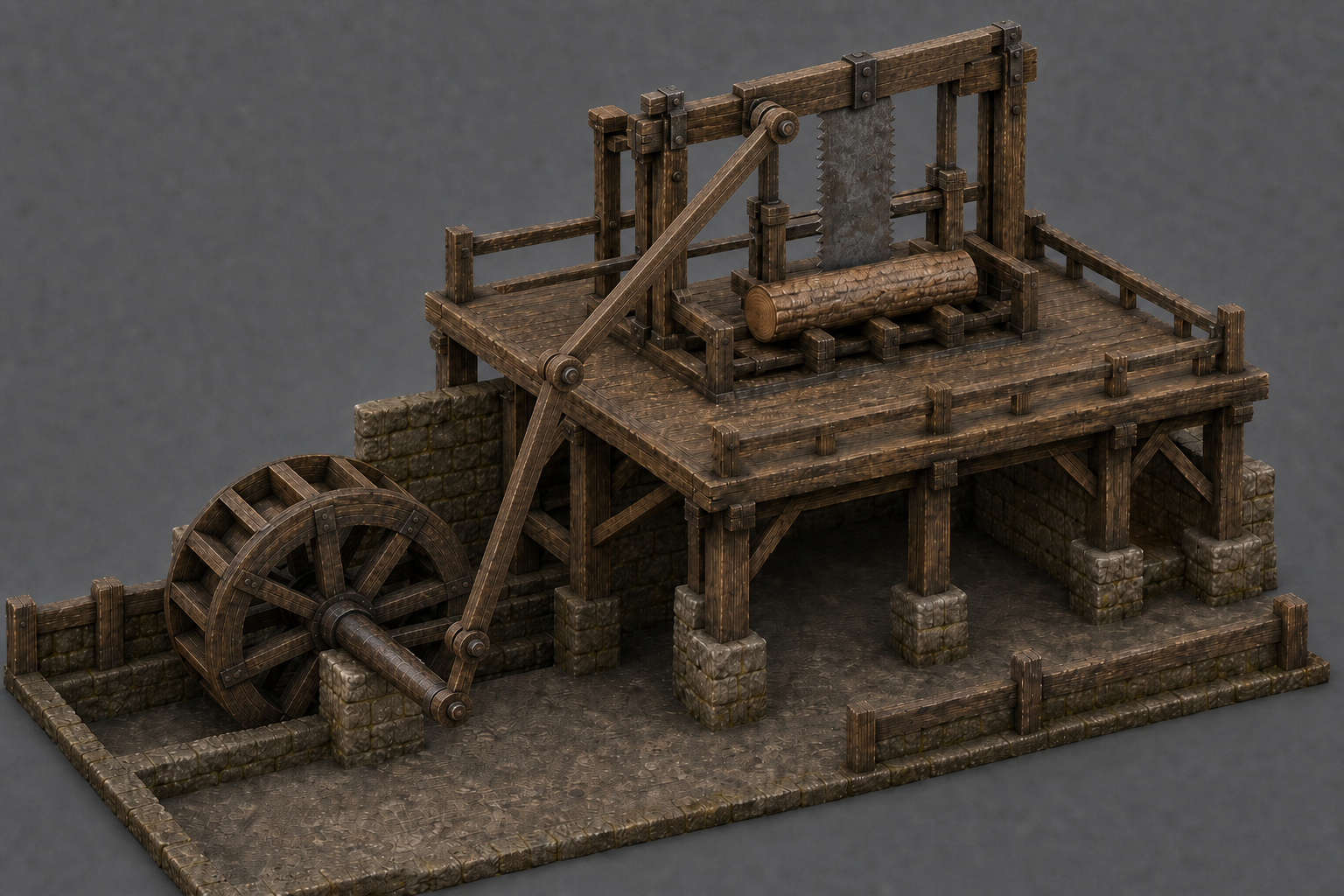
The pond looked calm. Then we cut a channel through a terrace lip and watched water sit in places it should have drained from.
Our first implementation leaned on smoothing — diffusion-ish updates that made wet ground look soft and convincing from a distance. Gameplay did not care about soft. Gameplay cared whether a ditch south of the well actually carried overflow, whether a building footprint blocked the path, whether a colonist could walk to a wet cell and drink.
We rewrote water_simulator.gd around local flow rules on the same grid as everything else.
Hydraulic head, not paint depth
Each cell stores depth, but flow compares hydraulic head: terrain surface Y plus water depth. On 1 m terraces that means a shallow pool on a high step can still push water over a lip if head is high enough — same idea as the sealed-channel tests we run headless.
Rules per sub-step:
- Water moves to orthogonal neighbors with lower head.
- Solid building cells block flow.
- Mass leaving the map edge is removed (no infinite bathtub).
Virtual pipes carry the mass between cells. Tunables we actually touch in balancing:
PIPE_ACCEL = 0.16— how fast edge flow responds to head differencesPIPE_FRICTION = 0.92— damping so pools settle instead of sloshing foreverPIPE_MAX_EDGE_FLOW— per-edge cap so one tick cannot drain a lake through a pinhole
Still water on the grid: the CA stores depth per cell so colonists and buildings share the same wet state as the renderer.
Rendering split: still tops, sloped flow
Visuals are deliberately dual-mesh:
- Still water — flat quads per wet cell. Clean pond surfaces.
- Flowing water — subdivided mesh with real slope between cells at different terrain heights, so terrace drops read as small cascades.
Cliff sheets along vertical terrain steps are optional (cliff_sheets_enabled) because they are expensive to rebuild. We leave them off during perf hunts.
Performance: only sim where it matters
A full 200×200 CA every frame is wasteful when one pond is active. Two switches matter in practice:
- Active-region flow — only wet cells and their neighbors get CA passes.
- Chunk-dormant regions — terrain chunks with no water sleep until a neighbor wakes them.
We also cap sim steps per second (max_sim_steps_per_second, default 3) and slice flow passes across physics frames so spikes do not hitch the camera.
Colonists drink the same grid
agent_needs.gd paths colonists to wet cells for water. No separate “water building” abstraction for thirst — if the CA lied, colonists would lie too. When we toggle consumption for tutorial steps, we invalidate drink-path caches on day start so routes do not stick to dried ground.
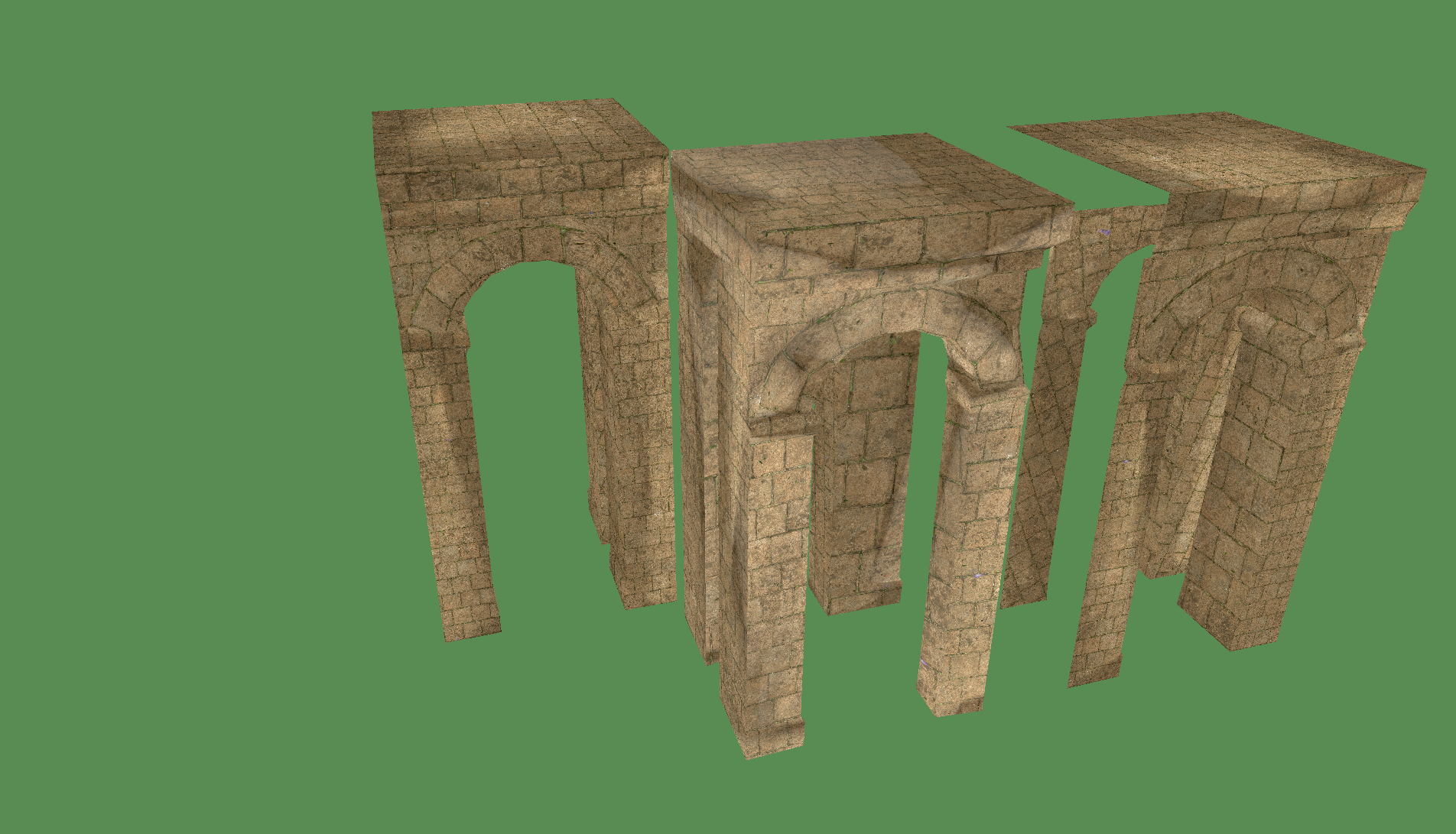
Aqueduct pier cells stay permeable in the sim (_aqueduct_permeable) so a line of arches is not an accidental dam. Placement and water share the same footprint data.
Tests we trust
./tools/run_water_tests.sh runs six scenes: pit fill, lip overflow, sealed channel, well spill, freeze-while-paused, and more. If a change passes those and looks wrong in-game, we add a scene instead of arguing in chat.
The old smoothing pass is gone. Good riddance. Water still needs tuning — spring drain scales, lawn bleed thresholds — but at least the failures are local and reproducible now.